

Dean博士教你如何系统评估膝关节运动损伤
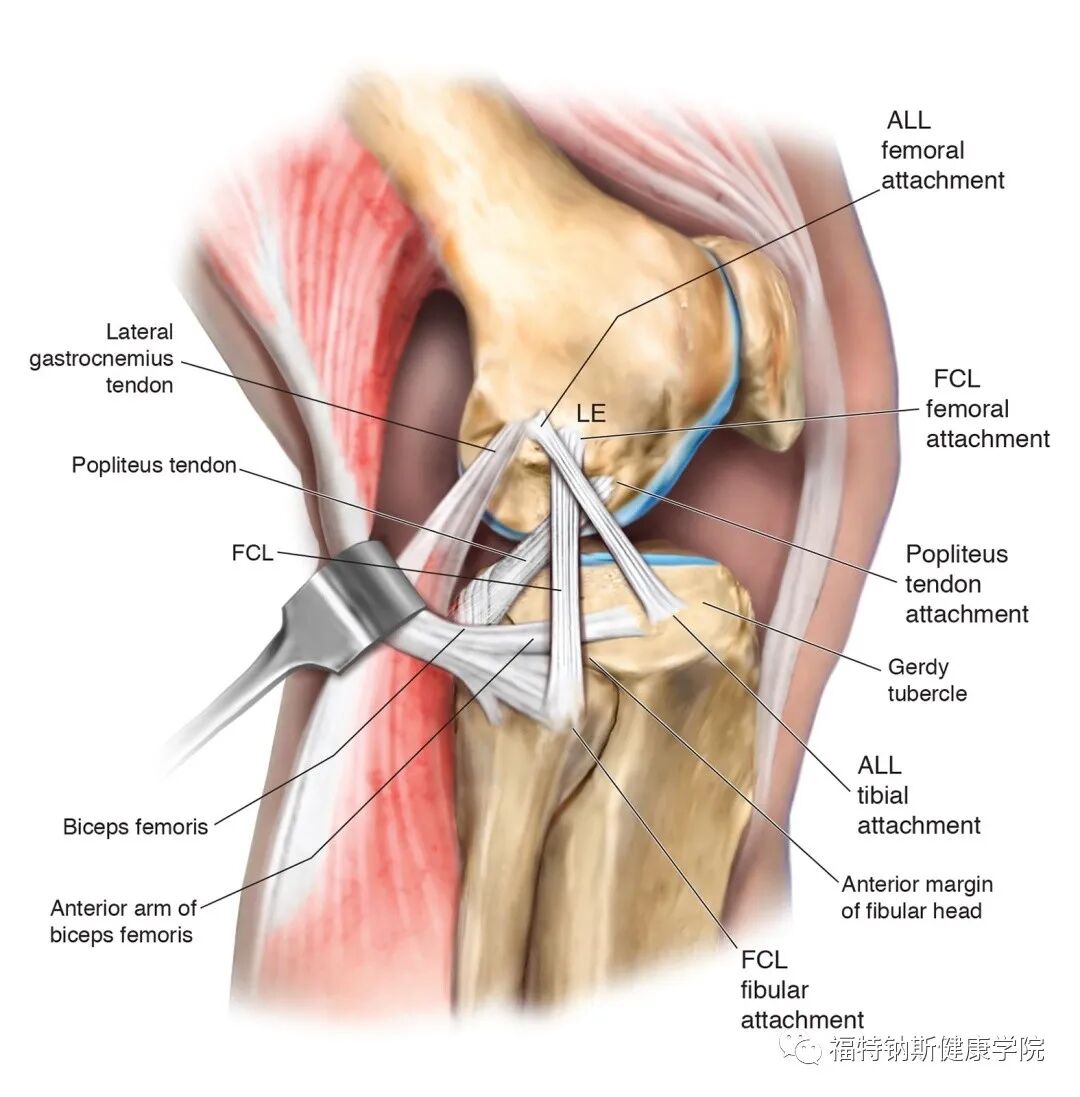
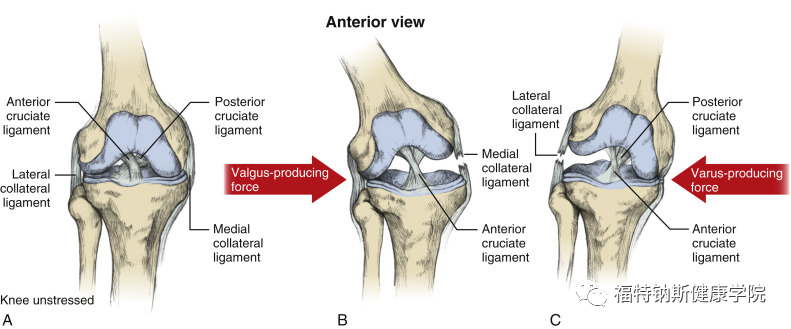
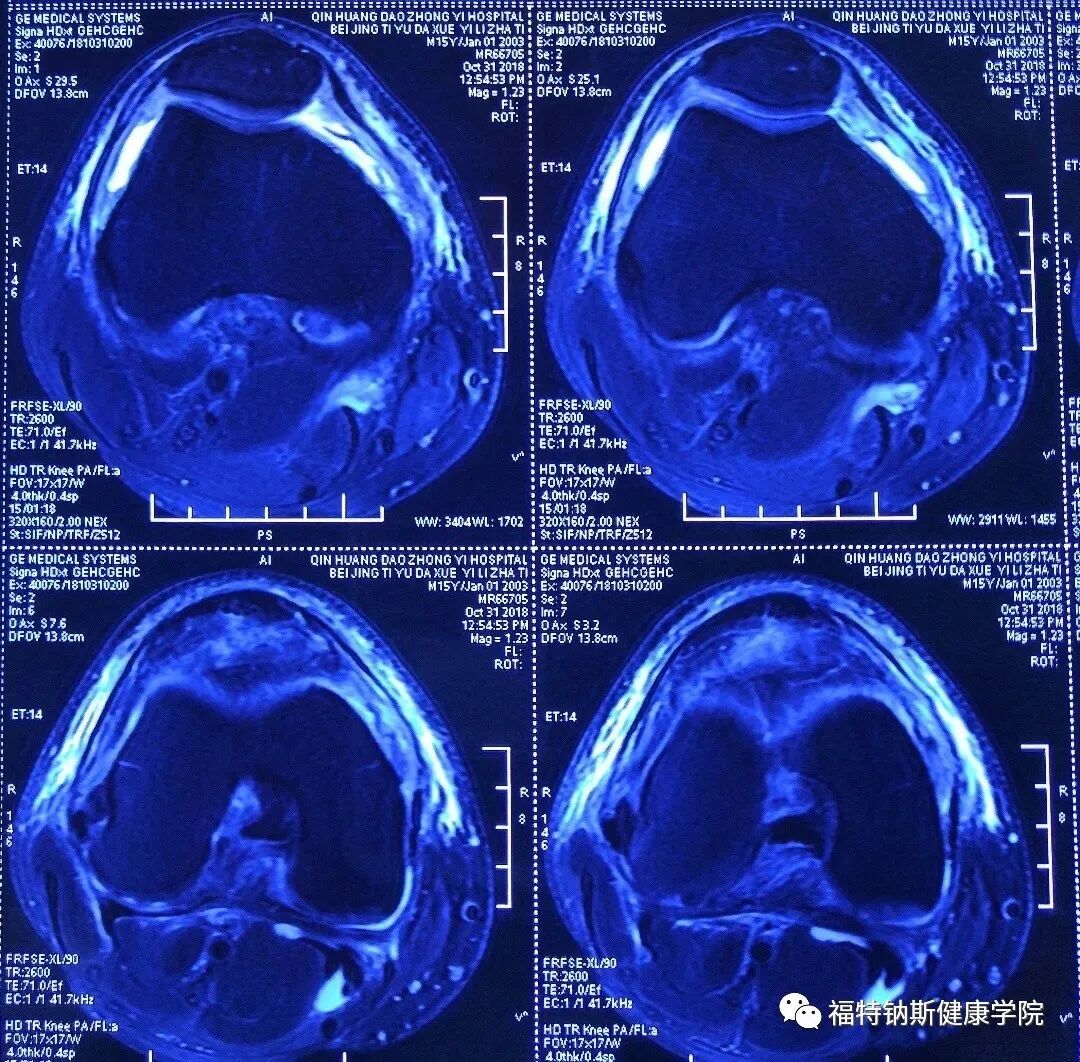
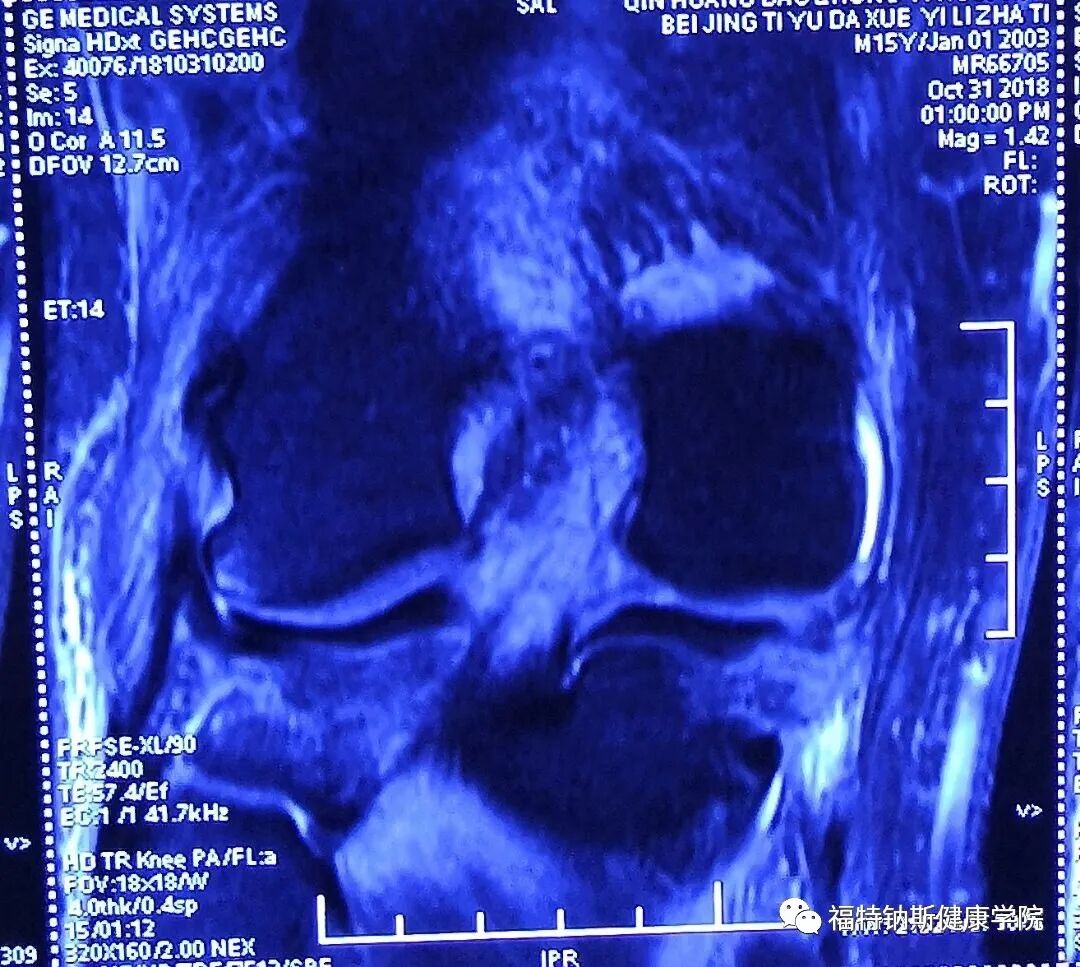
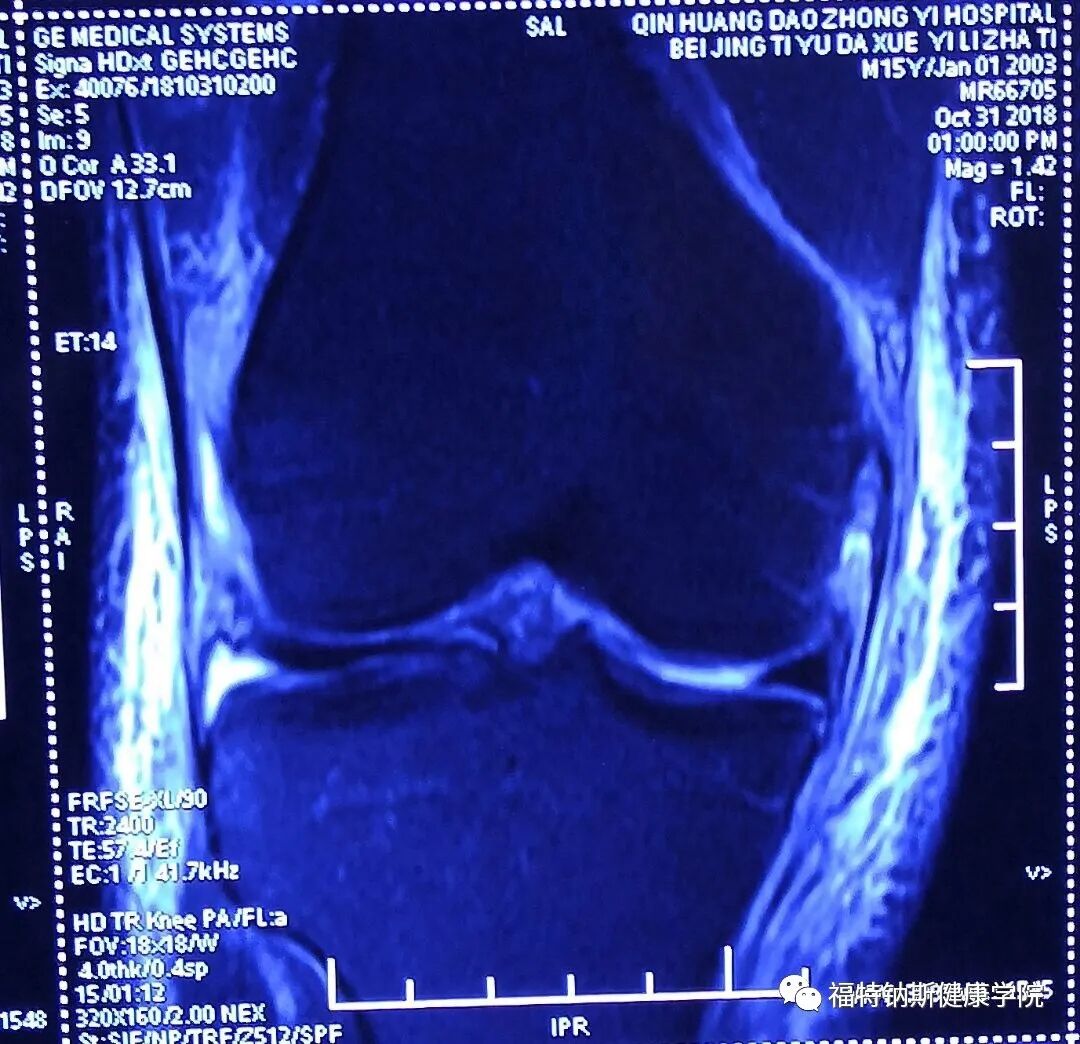
大家好,我是Dean,我是一名在美国执业的物理治疗师和运动损伤防护师。感谢美国南加州大学运动机能与物理治疗学系的邀请,我于2012年随团队一起来到中国开展物理治疗教育。 近年来我一直持续在中国与陈月博士福特钠斯团队合作开展一年两次的上、下肢运动康复的物理治疗继续教育课程。我的治疗和教学课程融合了运动损伤防护背景及物理治疗教育背景和受训经历,将使用手法技术重建活动范围和功能,并同时结合渐进性地运动功能训练。 我希望大家能从接下来的公众号的更文中有所收获。我的目标是以我自己这次严重的膝关节损伤为例,来展示一个在多种组织结构受损的损伤案例中,如何基于组织愈合速率来达到评估损伤,并推进康复的良好流程。这个膝关节受伤的案例中有三种不同的组织结构受损,它们对于治疗的方式及愈合时间的要求均是不同的。 Dean Caswell,PT, OCS, ATC, AT/L, CSCS 一、韧带评估测试(续) Ligament Testing Evaluation Continued LCL/FCL Attachment Sites:Origin lateral femoral epicondyle, joins the biceps femurs tendon before attaching to fibular head. 外侧副韧带/腓侧副韧带起止点:起于股骨外上髁;与股二头肌肌腱结合后止于腓骨小头 二、外侧副韧带损伤评估 0/0 继续观看 【大咖专栏】Dean博士教你如何系统评估膝关节运动损伤 LCL Palpation 外侧副韧带触诊 0/0 继续观看 【大咖专栏】Dean博士教你如何系统评估膝关节运动损伤 LCL Testing 外侧副韧带测试 1、外侧副韧带损伤常见于以下情况: Direct blow to the inside of the knee, such as during a football tackle 膝关节内侧直接受到横向的力,如足球当中飞铲 Quickly changing directions or pivoting on one foot, such as in soccer or basketball 在足球或篮球运动中快速变向或是脚部的扭转 Landing awkwardly from a jump, such as during volleyball or basketball 在排球或足球运动中,跳起后错误的落地 People may also note instability in their knee, particularly with side-to-side or pivoting activities. 人们通常感觉他们的膝关节不稳,尤其是横向不稳或是扭转活动时不稳 Isolated LCL tears are less common than other ligament injuries, such as medial collateral ligament (MCL) or anterior cruciate ligament (ACL) tears. They are most often seen in athletes and alongside other injuries, such as knee dislocations 单独的外侧副韧带撕裂相较于其他韧带(如内侧副韧带,前交叉韧带)并不常见。在运动员群体里常见这样的损伤,并且是伴随其他损伤出现的,比如膝关节脱臼。 2、LCL损伤分级 Grade1 Grade 1 lateral ligament sprain symptoms include tenderness on the outside of the knee over the ligament. Usually, there will be little or no swelling. When the knee is bent to 30 degrees and force applied to the inside of the knee which puts the ligament under stress, pain is felt but there is no joint laxity. This is known as the varus stress test. 一级的外侧副韧带拉伤症状包括膝关节外侧韧带上方疼痛;通常可见少许肿胀或无肿胀;膝关节屈曲30度后,由内侧向外施加一个横向的力使外侧副韧带受力,可激惹痛感,但没有松弛感,这个测试被称作内翻试验。 Grade2 With a grade 2 LCL sprain, you will have significant tenderness on the outside of your knee, over the lateral ligament. You will likely have some swelling. A varus stress test will indicate pain and some laxity in your joint, although there is a definite endpoint indicating the ligament is still intact. 二级外侧副韧带拉伤症状包括明显的膝关节外侧疼痛,韧带上方疼痛;可见肿胀;内翻应力测试可见激惹痛与关节松弛感,但同时可见关节终末感由此可推断韧带还是连着的,没有完全断裂。 Grade3 A grade 3 lateral ligament sprain is a complete tear of the ligament. Pain can vary and may be actually less than a grade 2 sprain. When stressing the knee there is significant joint laxity and you may have a very unstable knee. 三级外侧副韧带拉伤是韧带安全撕裂,其痛感可以且很可能弱与二级拉伤;内翻应力测试可见明显关节松弛感开合感,关节极其不稳定。 3、Dean膝关节外侧副韧带试验结果 Findings of LCL TEST: Dean’s Knee 1、Palpation 触诊: Tenderness at origin/insertion sites, minimal to no pain at center 韧带起止点均有明显痛感;韧带中部轻度痛感或无痛感 Pain Scale to palpation with light touch 3/10 轻触痛感评分3/10 2、Ligament test 韧带试验: Significant movement at joint with laxity at ligament 明显的关节开合感,及韧带松弛感 No Significant pain with test 试验未见痛感 三、Cinical Reasoning (Previous Blog) 临床推断: (前文) Q&A Q1 Based on MRI below what would you grade MCL Tear? 基于下面的核磁结果请为患者内侧副韧带损伤分级: A1 Grade 3 Tear 三级撕裂: highlighted area of MCL with continuous highlight across length of tendon area. 内侧副韧带可见高亮信号;肌腱走向上连续的高亮信号 Q2 What is the current rehabilitation concept regarding repair for MCL tears? 现在针对内侧副韧带的损伤康复有哪些方面需要考虑? A2 The consensus is that isolated MCL tears rarely require operative repair, while treatment of severe combined ruptures of the MCL and anterior cruciate ligament or PCL would require reconstruction. [1] A study found that nonoperative and operative treatments of medial collateral ligament injuries lead to equally good results. Another indication for surgical intervention would be persistent instability, with surgery consisting of tissue repair and imbrication. Often, reinforcement with an allograft is necessary. 共识认为单独的内侧副韧带撕裂一般很少需要手术修复,然而严重的内侧副韧带结合前交叉韧带或后交叉韧带撕裂的治疗需要手术重建。 [1]有研究表明对于内侧副韧带的治疗手术与非手术对比均可见较好的疗效。另一个手术的指征是连续性不稳,手术包括组织重建和覆盖。通常来说,用自体移植物进行加固是很有必要的。 Grade 1 and 2 sprains are routinely treated non-operatively. They may be braced with a knee sleeve or a double-upright hinged knee orthosis, individualized to the patient's discomfort. Crutches are only necessary for a few days. These injuries represent incomplete tears and allow for a rapid return to activities. 一级二级的拉伤通常会选择保守治疗;患者可以个性化需求佩戴如套袖型双铰链类型的支具。也可能需要患者拄拐几天。这类的损伤意味着韧带的不完全撕裂,及较为快速的活动恢复 Historically, grade 3 tears were treated operatively but currently are routinely treated nonoperatively. In the past, nonoperative treatment meant a long leg cast. Currently, bracing with a hinged knee orthosis is common. Some authors recommend immediate braced increase in range of motion (ROM), while others prefer waiting up to 6 weeks with the knee at 30° of flexion. Crutches are usually necessary for 1-2 weeks. 早期的三级拉伤通常采用手术治疗,但现今保守治疗也是常见的选择。在过去,非手术干预意味着长时间的石膏固定,但现今通过铰链式的膝关节支具比较常见。一些作者认为受伤后即刻佩戴支具可以提高关节活动度,另一些人认为6周后待患侧可以屈曲30度后佩戴支具更佳。拐杖通常在早期的1-2周内是必须的 People with grade 1 and 2 injuries usually return to play within 2-3 weeks. People with grade 3 injuries frequently require 6 or more weeks before a return to play. 一级二级患者通常可在2-3周后恢复体育运动,三级患者通常需要6周以上的时间返回体育运动 [1] Dale KM, Bailey JR, Moorman CT 3rd. Surgical Management and Treatment of the Anterior Cruciate Ligament/Medial Collateral Ligament Injured Knee. Clin Sports Med. 2017 Jan. 36 (1):87-103. Q3 What other structures do you see potential injury to in the below MRI Images? 除内侧副韧带外还有哪些组织可能受到了损伤 A3 Highlights at medial and lateral hamstring tendons 内侧和外侧腘绳肌肌腱可见高亮信号 Highlights at medial & lateral meniscus 内侧和外侧半月板可见高亮信号 MRI影像: 持续更新中,敬请期待!
已关注 关注 重播 关闭观看更多更多
退出全屏切换到竖屏全屏退出全屏福特钠斯健康学堂已关注分享视频,时长01:08
已关注 关注 重播 关闭观看更多更多
退出全屏切换到竖屏全屏退出全屏福特钠斯健康学堂已关注分享视频,时长00:44
 QQ客服
QQ客服